© Tom Blewitt & Zack Griffiths – Predator Awateness
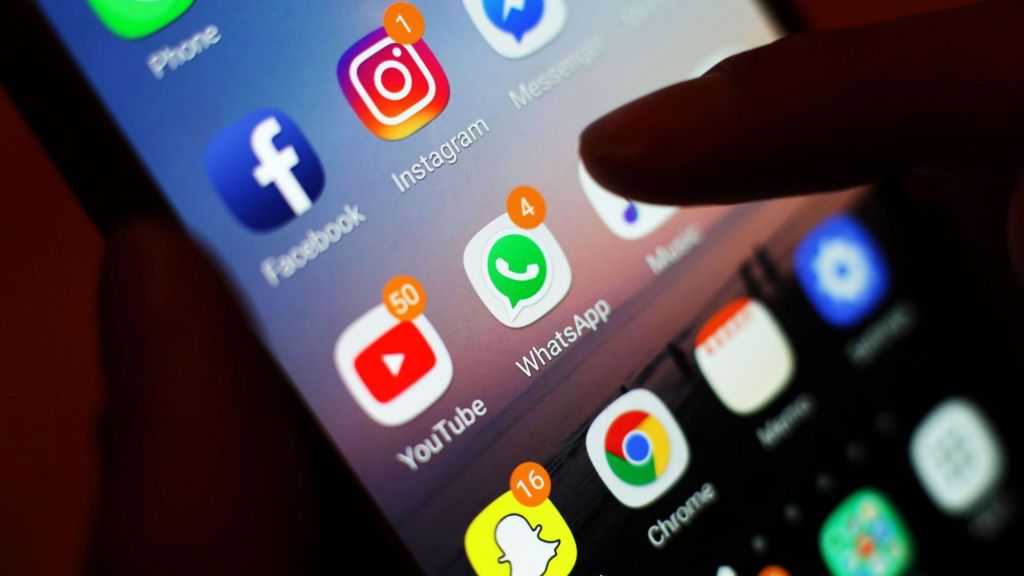
The UK is currently considering a new law that could ban children under the age of 16 from accessing social media platforms. The proposal, discussed in and around UK Parliament, is part of a wider effort to strengthen online safety for young people, addressing concerns around harmful content, mental health, and the growing influence of digital platforms on everyday life.
Supporters of the ban argue that social media has become too powerful in shaping young minds, while critics question whether such a law would be effective—or even safe—in practice.
Why a Ban Is Being Considered?
Social media is deeply embedded in young people’s lives. From viral trends to constant notifications, platforms are designed to capture attention, often without considering long-term developmental impacts. Lawmakers are increasingly worried about children being exposed to inappropriate content, online bullying, unrealistic beauty standards, and harmful behaviours before they are emotionally equipped to deal with them.
For some, a legal ban feels like a necessary reset.
Connor Renshaw, a social media influencer, believes the restriction could have a positive impact on communities as a whole:
“Banning under 16s from social media would be a good idea because there is stuff that gets posted on there that under 16s shouldn’t be seeing or hearing and I havnt had any experiences or concerns I think the impact of a ban would help the community so much more and it would make alot of them disappointed but social media has took over there life’s and if the ban doesn’t happen then all social media apps should be monitored very carefully to see what is been posted and what is been said.”
His view reflects a growing frustration that moderation alone may not be enough to protect younger users.
The Parental and Mental Health Perspective
Others take a more cautious stance. Kimberly Grant, a social media influencer and mental health advocate, believes social media has fundamentally changed childhood and questions whether banning it would truly solve the problem.
She explains how online platforms dominate young people’s lives:
“Interesting one… social media seems to be controlling the young people restricting them from ‘real life’ situations. Everything needs to be photographed everything needs to be tagged there is also a heavy influence on the children to be and act a certain way to keep up with latest trends on social media.”
Drawing on her own experience as a parent, she highlights the generational shift:
“I am 35 and my child hood was significantly different to my children. As a parent it was hard to not let my children on social media as daft as that sounds. It began with TikTok in lockdown and slowly grew along with the trends of social media.”
While she sees positives in the idea of a ban, she also warns of serious unintended consequences:
“I believe the ban would be good however, it will encourage children to lie to acsess the social media’s, create fake identities, and the mental health side of it routines, depression & anxiety of missing out let’s say. It’s a vicious circle yes our children are being influenced daily however taking it away and making it a legal offence will only fuel a lot of children to go against the law to be included and involved.”
She also raises safeguarding concerns if children begin hiding their online activity:
“If the children are creating fake profiles to be able to access the social media’s does that put them at a higher risk of being exploited”
In conclusion, she questions whether it is already too late for a complete ban to be effective:
“In conclusion I think the damage has already been done and it will be a struggle to banish all young people from social media as easy as they think it will be”
Her comments reflect worries shared by many parents and mental health professionals—that removing access entirely could increase secrecy, anxiety, and risk rather than reduce harm.
Can a Ban Really Work?
Critics argue that social media is already deeply woven into childhood and teenage life. Enforcing a full ban could prove difficult, potentially pushing young users towards fake accounts and unregulated spaces where safeguarding is weaker.
While a ban may reduce exposure to harmful content, opponents believe education, parental involvement, and stronger platform accountability could be more effective long-term solutions.
A Crossroads Moment
The proposed law has sparked an important national conversation. While there is broad agreement that social media can harm young people, there is far less consensus on how to fix it. A ban could offer clearer boundaries, but it also risks unintended consequences if not carefully enforced.
Whether the UK moves forward with a full ban or opts for tighter regulation and monitoring, one thing is clear: the relationship between young people and social media is no longer just a family issue—it’s a societal one.
 PREDATOR AWARENESS
Leave a comment