© Tom Blewitt & Zack Griffiths
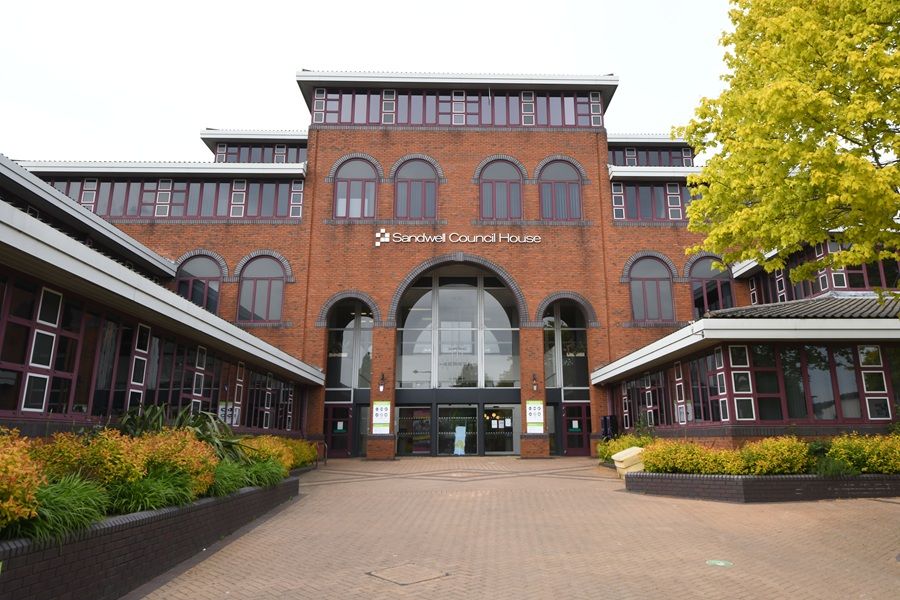
There is something deeply troubling about a public authority that admits its own rules have been broken and then shrugs its shoulders.
That is exactly the situation now surrounding the handling of a Code of Conduct breach by Sandwell Metropolitan Borough Council.
According to the council’s own decision notice, a councillor’s behaviour breached the Code of Conduct. The finding was clear: the language used fell below the standard of respect expected from elected representatives.
In other words, the council acknowledged that one of its elected officials behaved in a way that violated the rules designed to protect standards in public life.
And then the council decided to do absolutely nothing about it.
No sanction.
No reprimand.
No meaningful consequence.
Just a quiet acknowledgement that the rules were broken, followed by the institutional equivalent of a shrug.
For residents who expect integrity and accountability from those in public office, this decision should raise serious questions about what the council believes its Code of Conduct is actually for.
Codes of Conduct exist to set the standard for behaviour. They are meant to ensure that those who hold public power do so with professionalism, respect and responsibility. They are supposed to reassure the public that when those standards are breached, the system will respond.
But what Sandwell has effectively demonstrated is something else entirely.
It has demonstrated that a councillor can breach the Code of Conduct, have that breach formally confirmed, and still walk away without consequence.
That is not accountability. It is theatre.
The explanation offered is that the breach was an “isolated incident”. But that argument collapses under even the slightest scrutiny.
Standards do not cease to matter simply because misconduct happens only once. In fact, the entire point of having standards is to respond when they are broken, regardless of frequency.
If an isolated breach carries no consequence, then the logical conclusion is that the Code of Conduct is not a rulebook at all. It is a suggestion.
And suggestions are not what the public expects from those responsible for overseeing democratic institutions.
Sandwell has faced its share of scrutiny and criticism over governance in the past. Decisions like this do nothing to restore confidence. Instead, they reinforce the perception that when it comes to holding elected members accountable, the system protects those inside it rather than the standards it claims to defend.
What message does this send to residents?
That councillors are held to high standards — but only on paper.
That breaches will be identified — but not necessarily acted upon.
That accountability exists — but only up to the point where it might become inconvenient.
Public confidence is fragile. Once people begin to believe that the rules are applied selectively, or that consequences are optional, trust erodes rapidly.
And trust, once lost, is very difficult to rebuild.
The uncomfortable question now hanging over Sandwell Metropolitan Borough Council is a simple one.
If breaking the Code of Conduct results in no action at all, then what exactly is the Code of Conduct worth?
Because from the outside, it looks less like a safeguard for public standards and more like a document that exists purely to give the appearance of accountability — without the substance.
And residents deserve far better than that.
 PREDATOR AWARENESS
Leave a comment