© Tom Blewitt & Zack Griffiths – Predator Awareness

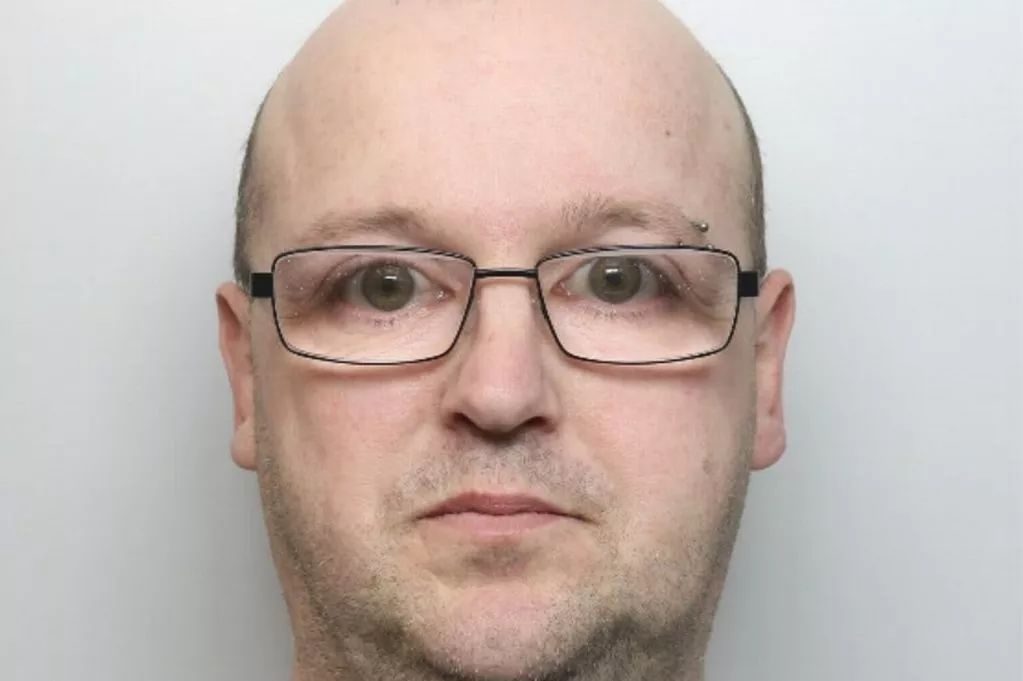
Bryan Hill, from Walsall, a convicted sex offender with a documented history of breaching court-imposed restrictions, has been sentenced to a total of 17 months in custody following his fourth violation of a Sexual Harm Prevention Order (SHPO).
The sentence also includes a conviction for the theft of a woman’s underwear.
The breakdown of the sentence is as follows:
– One month for the theft offence, to be served consecutively
– Sixteen months for three counts of breaching a SHPO
This sentencing decision has prompted concern among safeguarding professionals, advocacy groups, and members of the public, who argue that the punishment does not reflect the seriousness of repeated violations of protective legal orders.
Background: What Is a SHPO?
A Sexual Harm Prevention Order is a civil order issued by a UK court under the Sexual Offences Act 2003. It is designed to protect the public from individuals who pose a risk of sexual harm. SHPOs can impose a range of restrictions, including limits on internet use, contact with minors, or access to certain locations. Breaching a SHPO is a criminal offence and carries a maximum penalty of five years’ imprisonment per count.
Hill’s repeated breaches of this order suggest a pattern of non-compliance and disregard for legal boundaries. Despite this, the total custodial sentence imposed was less than a year and a half.
Civilian Safeguarding Groups Played a Key Role
Hill’s conduct was not uncovered through routine police monitoring or proactive enforcement. Instead, civilian safeguarding teams played a critical role in identifying and documenting his behaviour:
– He was caught twice by Internet Interceptors, a volunteer group that investigates online grooming and sexual harm risks.
– A third breach was exposed by Predator Awareness, another community-led organisation focused on public protection.
– The fourth breach, now confirmed and prosecuted, led to the current sentencing.
These groups operate without formal authority or public funding, yet they have repeatedly succeeded in identifying high-risk individuals who have evaded detection by official channels.
Legal and Public Safety Implications
The sentencing outcome raises several pressing questions:
– Why was the maximum penalty not considered? With three SHPO breaches and a prior history of violations, Hill could have faced a significantly longer sentence under existing legislation.
– Is the current sentencing framework adequate? Critics argue that the guidelines do not reflect the gravity of repeated sexual harm-related offences.
– Are enforcement mechanisms effective? The reliance on civilian groups to identify breaches suggests gaps in monitoring and enforcement by statutory agencies.
Legal experts and advocacy organisations have called for a review of sentencing practices related to SHPO breaches. They argue that lenient sentences undermine the credibility of protective orders and fail to deter future violations.
Public Reaction and Calls for Reform
The case has sparked public outrage, particularly among those involved in safeguarding and advocacy work. Many have pointed to the disparity between sentences for sexual harm-related offences and those handed down for non-violent crimes such as protest involvement or online speech.
There is growing demand for:
– Stronger sentencing guidelines that reflect the seriousness of SHPO breaches
– Improved enforcement and monitoring of high-risk individuals
– Formal recognition and support for civilian safeguarding groups
– Greater transparency in judicial decision-making
Conclusion
Bryan Hill’s 17-month sentence for repeated SHPO breaches and theft highlights systemic weaknesses in the UK’s approach to sexual harm prevention. While civilian groups continue to play a vital role in public protection, the justice system must do more to ensure that legal safeguards are enforced and that repeat offenders are held fully accountable.
The public deserves a justice system that prioritises safety, enforces its own orders, and treats sexual harm prevention as a matter of serious concern—not administrative routine.
Follow us on:
Read our latest articles:
- Your Child Isn’t Your Property: The Damage Done by Parents Who Won’t Let Go
- Doctor Not Struck Off by Panel Over ‘One-Off’ Rape
- Radio Star Chris Moyles Is ‘Saddened’ by the News Regarding Scott Mills
- Scott Mills Investigated by Police in 2016 Over Sexual Offences Against ‘Teenage Boy’
- Scott Mills Sacked by the BBC Over His ‘Personal Conduct’
- Man Jailed for Life After Killing Five-Month-Old Baby in ‘Full Rage’ Attack
- Labour Councillors Among Four Defendants in Court Over Cradley Heath ‘Stabbing’ incident
- Outrage as Antonia Bance MP Defends Former Social Worker Who Put Kids at ‘Serious Risk of Harm’
 PREDATOR AWARENESS
Leave a comment