© Tom Blewitt – Predator Awareness
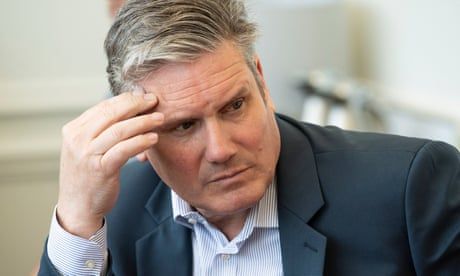
When Keir Starmer entered Downing Street in 2024, he promised to restore “integrity and professionalism” to British politics. Yet within two years, his government became engulfed in a series of controversies involving political allies, donors, and senior appointees. From questions over donor access to Downing Street to a major international scandal surrounding one of Labour’s most prominent figures, these episodes combined to create one of the most turbulent periods of Starmer’s political career.
Three controversies in particular — involving Waheed Alli, Matthew Doyle, and Peter Mandelson — came to symbolise the crisis of judgment critics said defined Starmer’s leadership.
The Lord Alli Donations and “Cash for Access” Row
The first major controversy erupted in 2024 over Starmer’s relationship with Labour donor Lord Alli. Alli had been one of the Labour Party’s most significant financial supporters, contributing hundreds of thousands of pounds to the party and its campaigns.
Reports revealed that shortly after Starmer became Prime Minister, Alli had been granted a security pass allowing unrestricted access to Downing Street. The donor subsequently hosted gatherings for other Labour donors in the Downing Street garden, prompting accusations of “cash for access” and cronyism.
Further scrutiny followed when it emerged that Starmer had accepted gifts from Alli, including clothing and glasses, some of which were initially not properly declared in the parliamentary register. Starmer later acknowledged receiving tens of thousands of pounds in clothing-related gifts from the donor and apologised for the earlier reporting error.
Critics argued the episode undermined Labour’s claim to higher ethical standards after years of attacking Conservative governments over donor influence. Supporters of Starmer countered that the gifts were ultimately declared and that similar arrangements had existed under previous administrations.
Nonetheless, the affair damaged the early image of Starmer’s government as a break from Westminster’s culture of patronage.
The Lord Doyle Controversy
Another damaging episode involved Matthew Doyle, Starmer’s former communications chief who was later appointed to the House of Lords as Lord Doyle.
The controversy emerged after it was revealed that Doyle had previously campaigned on behalf of a local politician later convicted of possessing and distributing child abuse images. Critics accused Starmer of ignoring warnings about Doyle’s past involvement before approving his peerage.
Downing Street acknowledged that Starmer had been aware of some concerns for weeks before action was taken. Doyle’s Labour whip was eventually suspended after mounting pressure from MPs and the media.
The delay in responding sparked intense criticism, including from members of Starmer’s own party. Some Labour MPs argued the situation showed poor judgment and raised questions about the vetting process for appointments to the House of Lords.
For a Prime Minister who had built his reputation as a former prosecutor committed to the rule of law, the optics were politically damaging.
The Mandelson–Epstein Scandal
The most serious controversy came from Starmer’s appointment of Peter Mandelson — a towering figure in Labour politics and architect of the “New Labour” project — as the UK’s ambassador to the United States.
Mandelson had long faced scrutiny over his association with convicted sex offender Jeffrey Epstein. Although the relationship had been publicly known for years, a new wave of documents and emails released in 2025 revealed extensive contact between the two men, including communications after Epstein’s 2008 conviction.
The revelations became even more damaging when reports suggested Mandelson had shared sensitive government information with Epstein during his time in government and that financial payments linked to Epstein had been received by accounts connected to Mandelson.
The fallout was swift. Mandelson was dismissed from his diplomatic post and later resigned from both the Labour Party and the House of Lords. Police began investigating possible misconduct in public office related to the alleged information sharing.
For Starmer, the scandal was particularly damaging because critics argued the risks surrounding Mandelson’s past were already widely known. Several Labour MPs publicly questioned the Prime Minister’s judgment in appointing him despite those warnings.
The controversy also triggered a wave of resignations within Starmer’s team, including his chief of staff and senior communications officials, deepening the sense of crisis inside Downing Street.
A Government Under Pressure
Taken individually, each of these controversies might have been survivable. But together they created a narrative that Starmer’s government — elected on a promise of clean politics — had become entangled in the same culture of patronage, questionable appointments, and political misjudgment it once condemned.
Opposition parties accused the Prime Minister of presiding over a “boys’ club” inside government, while critics within Labour warned that the scandals risked eroding public trust in the party’s leadership.
Starmer responded by apologising for errors, tightening vetting procedures for appointments, and pledging reforms to the system of peerages and political donations.
Yet the damage to his political authority was significant. The scandals surrounding Lord Alli, Lord Doyle, and Peter Mandelson did not merely raise questions about individual figures — they became a broader test of Starmer’s leadership, judgment, and ability to deliver the ethical reset he once promised.
 PREDATOR AWARENESS
Leave a comment