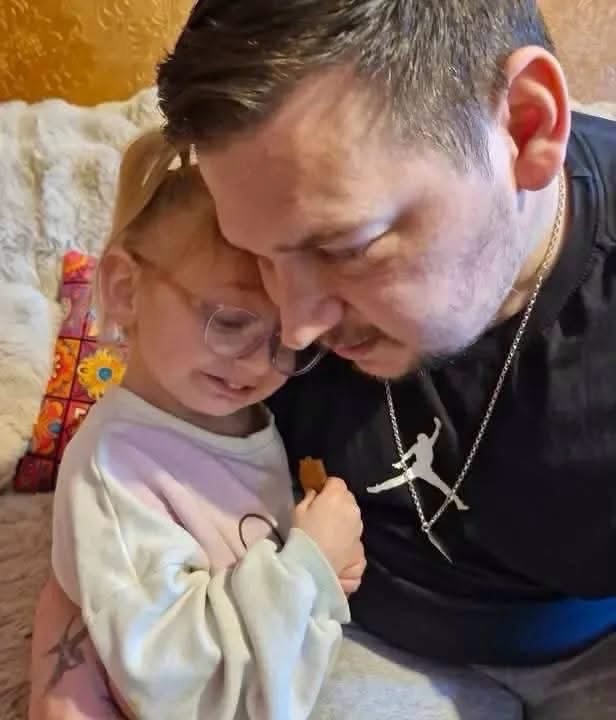
A Pembrokeshire father has broken his silence after a deeply disturbing sexualised comment was allegedly posted beneath a family photograph featuring his five-year-old child on TikTok.
Richie Coleman, 36, from the Tenby area, says he was left horrified after discovering the comment, which appeared on the family photograph at around midnight last night.
Evidence seen by Predator Awareness Back Up appears to show the disturbing comment being directed towards the image of the young child.
In a statement provided by Richie, he said: “It’s just absolutely sickening, and if anyone is making comments like that on pictures of people’s children, they need to be jailed and banned for life from social media.”
The sickening comments have sparked outrage and renewed concerns about the ability of social media platforms to protect children from sexualised, abusive and potentially predatory behaviour.
And this is the part that should concern every parent.
A photograph that a family posts innocently online can potentially be viewed, downloaded, shared or commented on by complete strangers. Parents are increasingly being urged to think carefully about what they share, who can see it and whether posts reveal information about a child’s identity, location, school, routines or everyday life.
But responsibility cannot simply fall on parents.
Social media companies also have a responsibility to tackle abusive and sexualised behaviour, act quickly when inappropriate content is reported and make their platforms safer for children and families.
Parents should report disturbing content, preserve evidence where appropriate, block offending accounts and seek help from the relevant authorities if they believe a child may be at risk.
And importantly, disturbing material involving children should never be circulated or reposted simply to expose it. Protecting the child must come before generating clicks, outrage or engagement.
The identity of the child involved has not been disclosed, and no identifying details are being published in order to protect their privacy.
For Richie and his family, what should have been an ordinary family photograph has become a deeply upsetting reminder of the dangers children can face in online spaces.
His message is clear: children should be able to appear in an innocent family photograph without becoming the target of sexualised or abusive attention from strangers online.
The question now is one that social media companies need to answer: how much more must happen before parents can feel confident that their children are genuinely protected online?
Children deserve protection not sexualisation, not exploitation and not silence.
 PREDATOR AWARENESS
Leave a comment